Can you sell premium, climate-resilient superfoods at mass-market margins and still lift rural households out of poverty?
The short answer: No.
To scale your social impact, you first have to master your margins.
Scaling a business, especially a social enterprise, requires a transition from intuition-based activity to a structured, data-driven framework. Growth often breaks existing processes, and that is where the real work begins.
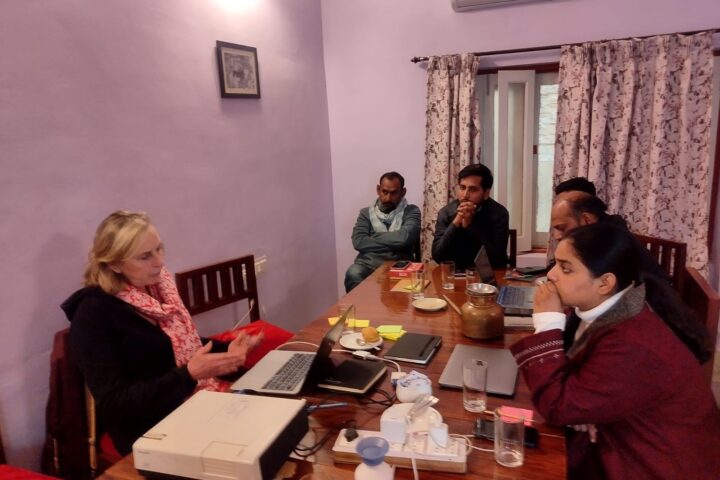
We recently spent two intensive days with Aakriti Srivastava and team at the social enterprise Bahula Naturals, the inspiring woman-led social enterprise transforming the Thar Desert’s pastoral supply chain with cow and camel milk products. Alongside sales and marketing strategy expert Vishwas Garg, whose extensive expertise was instrumental, we refined and stress-tested the B2B strategy for their next phase of growth.
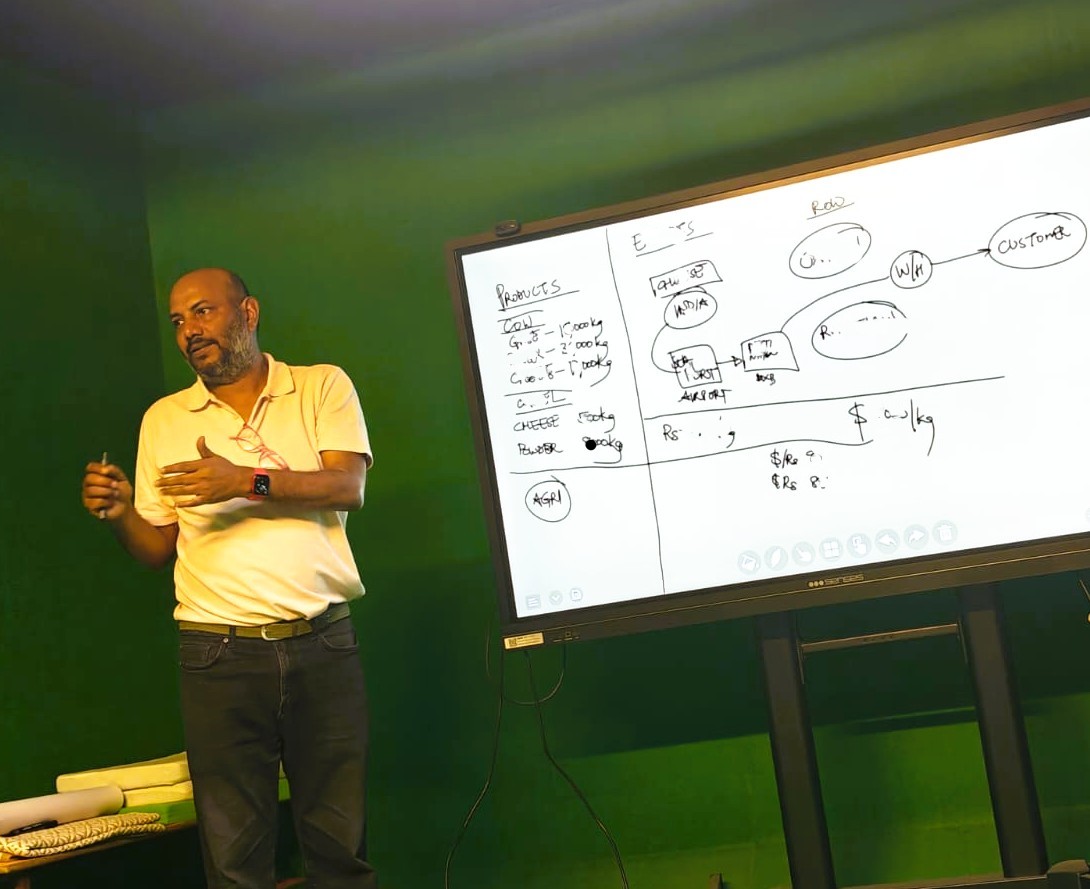
Sales and marketing strategy expert Vishwas Garg in conversation with the Bahula Naturals team
Scaling without losing your way
For other founders and impact leaders looking to scale, here is what you want to look at for professionalizing your operations:
1. Operational discipline is the precursor to scale. Moving beyond ad-hoc sales requires implementing strict standard operating procedures (SOPs), defining clear KPIs, and maintaining robust management information systems. You cannot manage what you do not measure and you cannot scale what you cannot replicate.
2. Align incentives with organizational goals. Compensation shouldn’t just reward activity. Do not let your sales team focus solely on activity. By structuring compensation to reward high-value outcomes, rather than just volume, you ensure every member of the team is pulling in the same direction to move the needle
3. Proactive risk mitigation is non-negotiable. As you expand, especially into new territories or exports, business continuity relies on controlling risks at the source. This means implementing secure payment protocols (like Letters of Credit) and relying on specialized logistics intermediaries rather than assuming the full burden of risk internally.
4. Professional development is a competitive advantage. Do not assume expertise exists within your team. Upskilling staff in technical areas, like pricing strategies, costing models, and sales processes prevents operational erosion and dramatically improves team confidence.
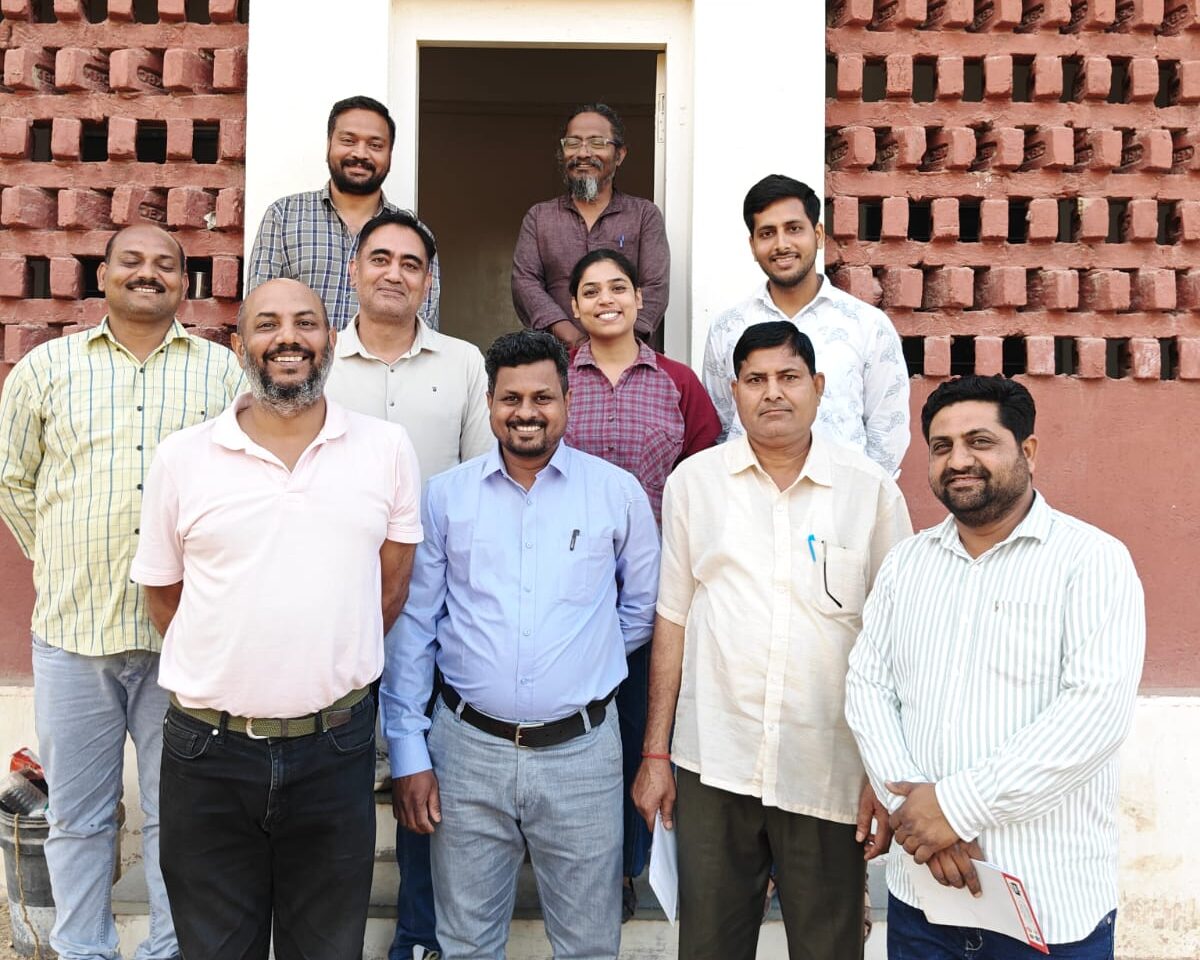
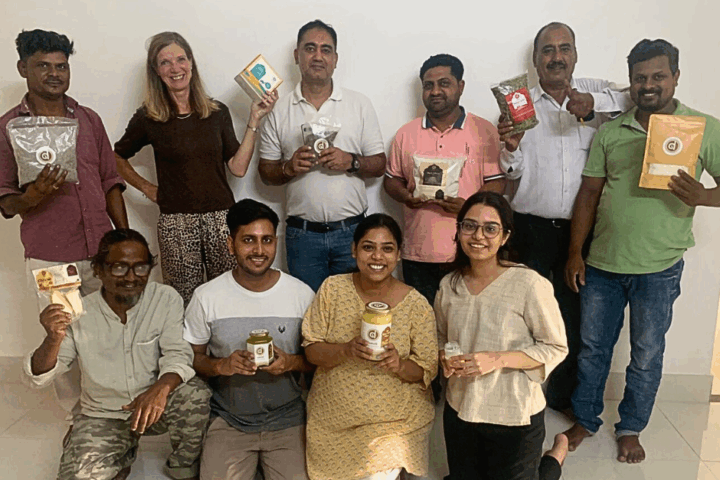
Bahula Naturals team with Women on Wings business consultant and sales & marketing expert Vishwas Garg
Bahula Naturals is currently doubling its production capacity, expanding its procurement hubs, and formalizing its B2B sales strategy for domestic and international markets. But for them, these processes (which sound like corporate jargon) are the tools that secure 365 days of reliable income for 500 women and 2500+ agro-pastoralists.
It is inspiring to see a team embrace these operational steps because they know that professionalizing their systems is the fastest way to deepen their social impact.
Women on Wings plays a role in strengthening Indian rural enterprise models like Bahula Naturals by providing pro bono business consulting across strategy, sales, branding, and supply chain. Supporting these sorts of initiatives, we create space for:
- rural products to reach markets
- women in rural India to receive better prices for their produce and work
- social enterprises to become sustainable businesses
- women to unleash their full potential
We have been working toward our goal of co-creating one million jobs for women in rural India. As of 2025-2026 we have surpassed the half million mark. Notably 35% of these jobs happened from 2023-2026. We plan to continue accelerating the number of jobs co-created.