Trading quick wins for lasting change
By Shilpa Mittal Singh, Joint Managing Director, Women on Wings
Mobilizing thousands of women is an important milestone. But lasting economic transformation requires more than participation. For systems to endure, we must move beyond the intervention phase to create sustainable value.
Business rigor vs. charity
Twenty-five years ago, much of the development focus in rural India was on mobilizing, stabilizing, and training women. Since 2007 Women on Wings has chosen to complement that groundwork with a rigorous business mindset from the outset.
Our belief was simple: if economic benefits are to flow back to women consistently, the underlying enterprise must be commercially viable.
Over the years, we chose not to work on projects confined to highly-localized interventions. Many addressed genuine needs. Delivered meaningful impact within their communities. Yet we made a conscious choice.
This often meant walking away from funding that came with narrow and sometimes short-term mandates or geographic restrictions. Not because the objectives lacked merit, but because we wanted to stay true to our mission of business consultancy to co-create one million jobs for women in rural India.
Isolated success stories are great, but we were looking to design architecture that could endure, grow, and be adopted at scale in order to unleash the full potential of women.
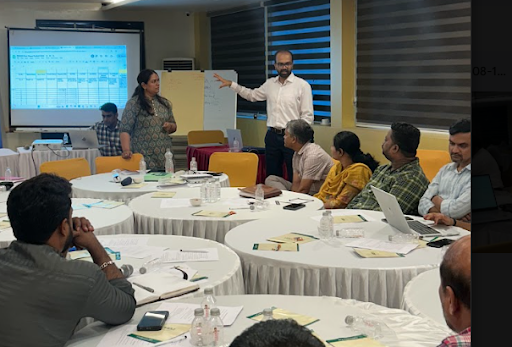
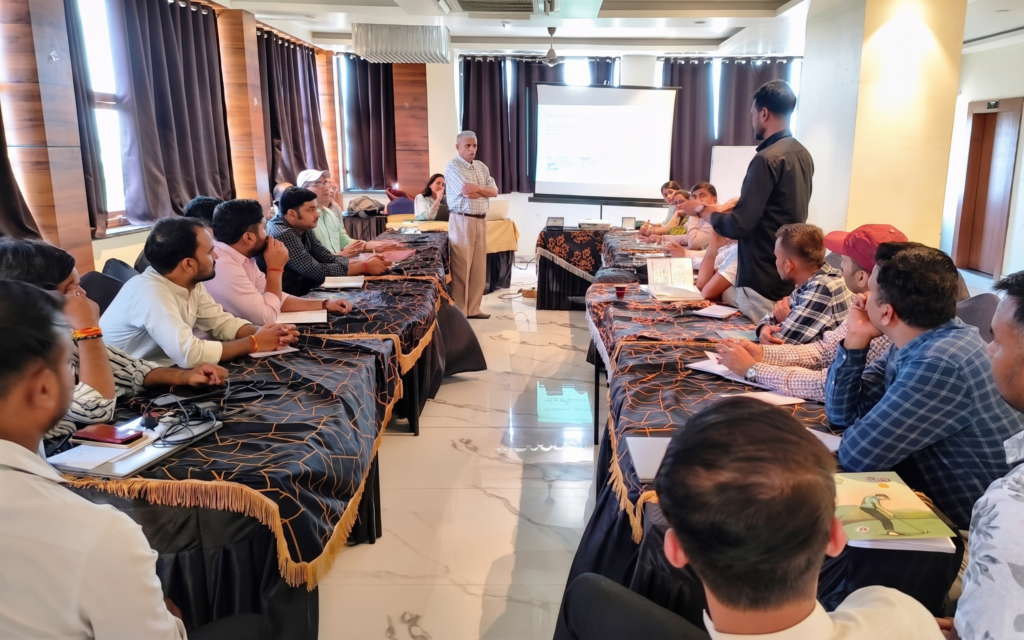
Women on Wings kickoff workshop with Maharashtra State Rural Livelihoods Mission – UMED.
Transition to replicable frameworks
For the last five years, that focus has evolved into creating replicable frameworks aligned with state-level priorities and market demand. By moving away from localized intervention to replicable frameworks, we create opportunities that empower thousands of women at once, rather than isolated groups of one hundred.

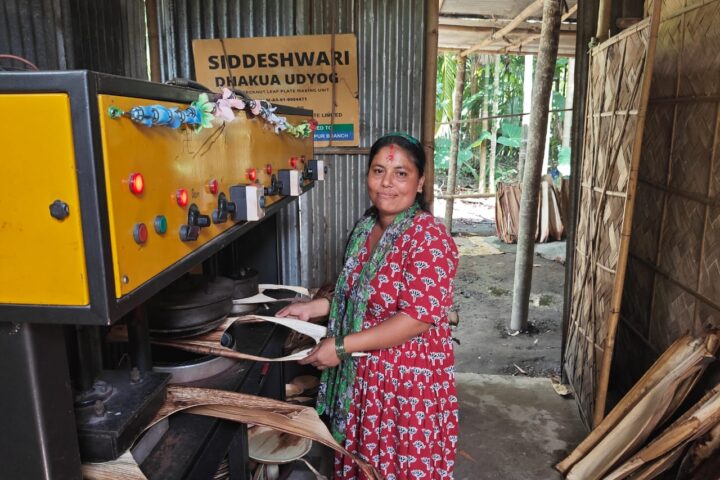
Eco-friendly compostable tableware created by our partner Tamul.
Ecosystems that endure
We prioritize ecosystems, not egosystems. Through partnerships with entities such as the Government of Uttarakhand’s House of Himalayas and the social enterprise Tamul Plates in Assam who enable production. Importantly these entities absorb risk and connect women to sustained market demand, ensuring the impact lasts long after the initial intervention ends.
Join us in forming a future where rural India is a driver of economic growth, innovation, and market leadership. And, stay tuned next week for our latest number of jobs co-created in our 2025-2026 Annual Report.